Monday, March 28, 2016

#UKSlaveTrade Day 6

Transatlantic Slave Trade Study Abroad Day 6 

My last day hit me with many regrets, but overall satisfaction. I was almost prepared for this trip I was extremely interested in opening my eyes to the history of the Transatlantic Slave Trade in London. I read a few books and articles prior to the trip, and I came into the trip with an open mind ready to learn. But I was not prepared to explore and learn during my free time. I regret not researching the places we visited in advance. I wish I would have gone to less touristy restaurants. I wish I would have spent less time walking around aimlessly looking for places to go. Also I wish I would have had a better understanding of the markets we spent time in. 

In China I looked up in advance how to shop in the markets, but I made the mistake of thinking London was just like the States. On our cultural excursions through the market places I did not realize I could haggle. Luckily I had a very low budget and did not spend much, but some of the items I did buy I feel I could have bought for a lower price. Haggling is fun and I regret missing out on it. However I still left the market places with a smile because of my interactions with some of the people selling items.

One of my best interactions of the day was with a shoe maker from a smaller town outside of London. He told me everything in his booth was handmade, and he went on actually complimenting that most people from the states seem to actually appreciate handmade things more. He says handmade things have started to loose their value to most people in London who are looking for bigger more popular items. I began thinking how much London has changed over the years. I even wondered if in the past some of these markets sold slave made items. I wonder if some of the sales people's families profited from the slave trade. Then finally I wonder if any of the inexpensive items in the surrounding stores were actually made by slaves in different countries or people who were at least paid very little for what they do.

On a random note the best purchase I made was a rainbow bagel.


#UKSlaveTrade Day 5

Transatlantic Slave Trade Study Abroad Day 5 

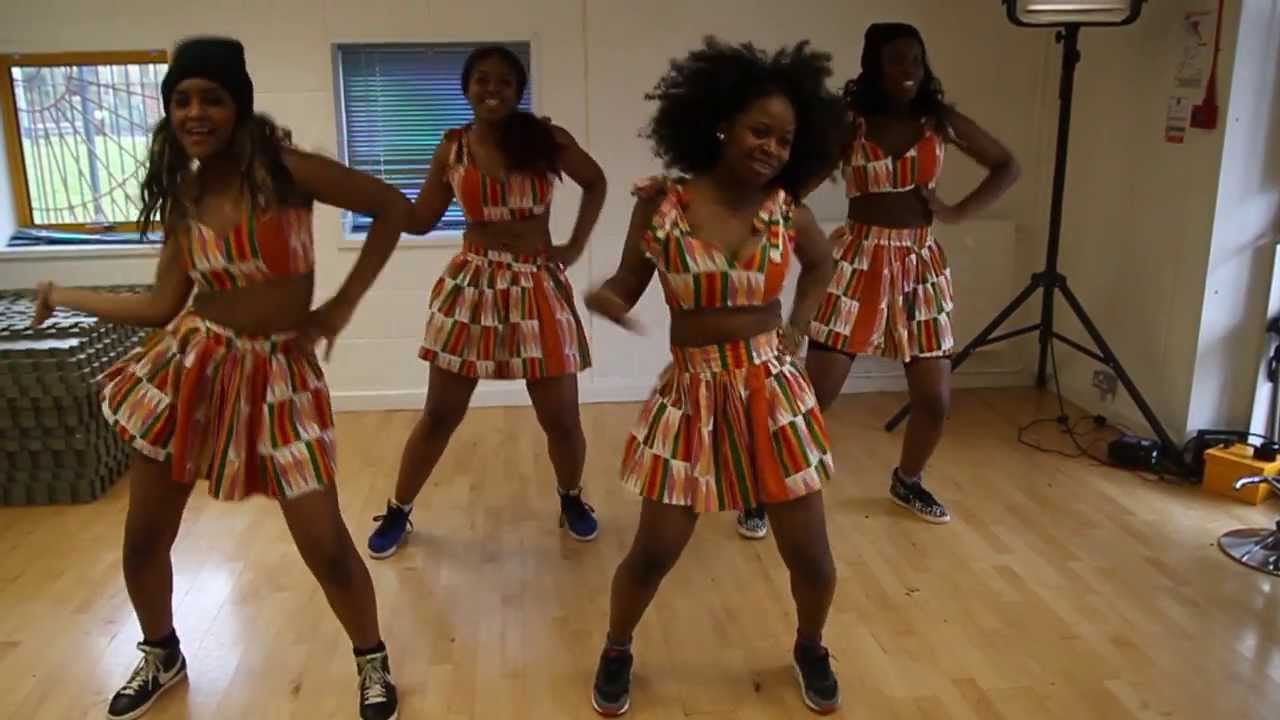
This evening we went to University of London's School of Oriental and African Studies (SOAS) to experience African music, drumming lessons, and food from a local Nigerian restaurant. It was a very interesting experience. The performers pulled me up to participate. When they called me out I wanted to just disappear, but then I realized I could not disappear. I ended up going out in front of the crowd and I danced. I am sure I looked terrible, but no one cared what I looked like. I actually had fun outside of my comfort zone.


(Sorry this is not an actual picture from our event, but it is similar)

Everyone there was extremely inviting. The performers really wanted the audience to get pulled into the dance. Nearly everyone was able to participate. Some of us were better than others, but regardless the performers were just happy to share their culture with us. Previously through a service spring break trip in Memphis I had the opportunity to see African dance with a more modern hip hop twist to it. So having the opportunity to see a more traditional type of African dance opened my eye to what part of African dancing tradition was put into that more modern dance.

Tuesday, March 22, 2016

#UKSlaveTrade Day Four

Transatlantic Slave Trade Study Abroad Day Four 

It was unreal seeing the Kenwood House. I kept thinking of the movie Belle. I felt like I was on the set or something. How cool to think they made a movie about this place. Then the really important thought hit me. This was not just exciting because they made a movie about this house. It was exciting because of the house's rich history and the people who actually walked its rooms. Along time ago Dido grew up in this house as an equal to her white cousin who was like a sister to her. Dido became a true symbol of how black women can be equally as proper and desirable as white women. Black people being lesser than white people really became a cultural norm at the time possibly to try to justify slavery in the minds of the white people involved in the slave trade. 

The book Blonde Roots really is good for giving perspective that slavery could just as easily have happened the other way around. Black people could have enslaved white people and therefore more African cultures and customs would have impacted the worlds social norms. Dido is a women in a backwards role from what was normal at that time in history. Normally a black women would have been a slave or a housekeeper.


UKSlaveTrade Day Three

Transatlantic Slave Trade Study Abroad Day Three 

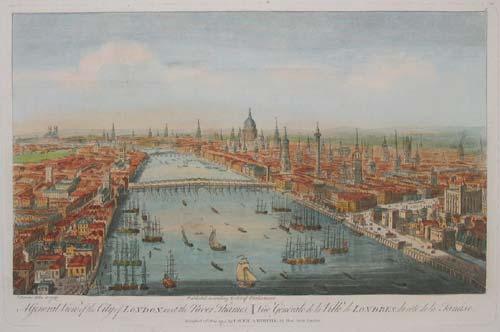
London is such a rich city. They have treasures that have been collected and created since the Romans settled there 43AD. In more recent history London's main profits came from the slave trade. I had never really thought about it until this trip, but slavery really impacted London financially. Many of the big banks in London at one time or another funded slave ships or insured them, and many of London's richest families profited off of the slave trade. With out that money it's interesting to wonder what London would look like today. 

There is no hiding the tremendous changes that have occurred in London over the years.

I would love to see how the city would have developed without money from the slave trade.

Sunday, March 20, 2016

#UKSlaveTrade Day Two

Transatlantic Slave Trade Study Abroad Day Two 

While watching the movie Belle in preparation for this trip. I was intrigued by the fact that I saw a black male in one of the court house scenes. No one could really explain to me who this man was. He is only on the screen for a few seconds so really many people did not even see this. It was a mystery.


 I had thought Dido's situation in the movie was odd, but this black person on the main level of parliament in the 18th century seems equally out of place. Now just two days into the trip I have a better guess of who this man was or who he was representing. While walking the Greenwich Slave Trail we came across this plaque. 


Our guide told us that Ignatius Sancho was the first black man allowed to vote in a parliamentary election. I had this "ahhh ha moment" or feeling that the man in the movie was probably representing this man. 

It is unknown who the man in the film was supposed to represent, but I like thinking it was Ignatius Sancho.  I would like to know for sure, but unless the director tells us I think it will continue to be a mystery. The history of black people in the U.K. continuously seems a bit mysterious, but luckily we keep uncovering more.

Friday, March 18, 2016

#UKSlaveTrade Day One


Transatlantic Slave Trade Study Abroad Day One

Alert! Alert! Alert! Everyone should know this story we were just informed of. Everyone sat in awe at the news we had heard.
No one stood up? No one left with the man? Okay well maybe one black reporter left with him, but everyone else made the man question his own sanity by simply staring.
Start watching at 1:54 and continue listening to what Toyin Agbetu says in protest during the ceremony. He does seem to be passionate about his words.  https://www.youtube.com/watch?v=L9h_VVqIatY
How outrageous the 2007 ceremony in Westminster Abbey seemed being presented via YouTube video by a SOAS grad student to us students of Spring Break 2016. Nine years after the event occurred. We were all still pondering why no one stood up with Toyin Agbetu? He was demanding an apology from Britain for their involvement in the slave trade. Also why has no apology been given since in the past nine years?
I keep thinking wouldn’t it be extremely simple for the Queen to make a statement saying, “We are sorry for our past involvement in the slave trade.” Of course they are not proud of their involvement. Also yes they want to be positive and celebrate their role in abolition, but it does not seem like it would be difficult to admit to wrong doing too.
After discussion and more thinking I realized it might not be so simple. There are many possible factors that could play a role in why no apology has been stated. Possibly to protect the British image or maybe it’s money.
Britain might not want to admit wrong doing because they may feel it will effect their image in history. It may make people more suspicious of Britain’s actions. No one wants to admit they are the bad guy. That may be why they do not apologize. To apologize you must admit to wrong doing. 
Money comes into play when thinking about the apology. Already families have sued asking for retribution back from Britain because of the wrongdoing directed towards them in the past. With an apology they are admitting to their wrong doing, and then maybe they would also have to pay a certain amount of money back to the families with slaves in their lineage.